What is EAPG? Early American Pattern Glass Explained
Early American Pattern Glass (EAPG) represents a pivotal era in U.S. glassmaking, blending industrial innovation with intricate design. For antique dealers, historians, and collectors, understanding EAPG’s origins, value drivers, and preservation methods is critical. This article unpacks its historical roots, identification techniques, market trends, and care practices—equipping professionals with actionable insights to navigate this niche market confidently.
1. Origins and History of Early American Pattern Glass
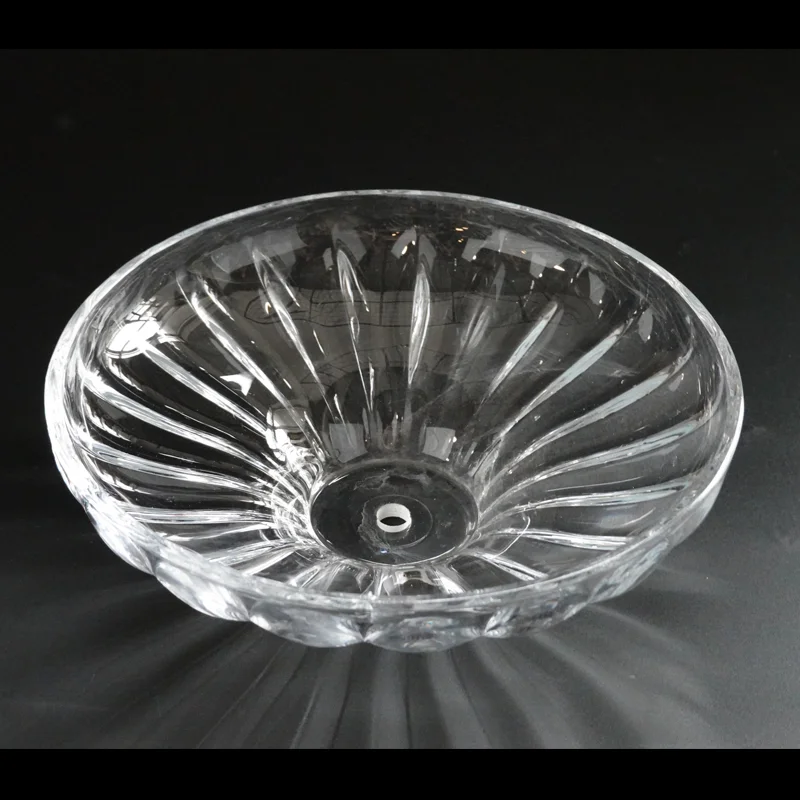
But here’s the kicker: While European glass dominated global markets in the early 1800s, American manufacturers revolutionized production by leveraging mechanized pressing techniques. Factories like Adams & Co. and Bryce Brothers pioneered mass-produced tableware with elaborate motifs such as Daisy & Button and Honeycomb. These designs catered to middle-class households seeking affordable yet elegant alternatives to hand-cut crystal.
Industrialization’s impact extended beyond aesthetics. By the 1850s, coal-fired glasshouses in Pennsylvania and New England reduced production costs by 40%, enabling rapid scalability. This is where it gets interesting: Unlike European counterparts, EAPG prioritized durability over delicacy, using thicker glass to withstand daily use. Catalogs from the era reveal over 500 documented patterns, many still circulating in today’s antique markets.